


25 Apr The Benefits of Integrating AI into Doctor Referral Systems
Integrating artificial intelligence into doctor referral systems offers a practical way to make clinical handoffs smarter and faster. When referral routing is guided by intelligent models, patients can reach the right specialist with fewer hoops to jump through.
Clinicians gain a clearer picture of which referral options fit a patient profile and why those choices matter. The mix of hard data and human judgment creates a referral path that is both evidence based and humane.
Improved Referral Matching Accuracy
Artificial intelligence can parse large volumes of patient data and match clinical needs to specialty expertise with high fidelity, reducing random matches and missed cues. Machine learning models learn from prior referrals and outcomes so the system gets better at predicting which specialist will address a given problem, and common patterns become easier to spot.
That steady learning creates a kind of institutional memory that keeps improving over time without placing extra load on staff. When the algorithm and the clinician agree, the patient usually gets a faster and more relevant appointment.
Reduced Administrative Burden
AI driven automation handles routine tasks such as extracting referral reasons, formatting required information and forwarding documents to the right office, so teams spend less time on paperwork. Administrative staff can shift focus from repetitive entry and phone tag to more value added work like patient outreach and scheduling exceptions.
Many modern referral platforms also assist with streamlining communication with referring offices by automatically sharing updates, required documents and scheduling status across clinics.
Removing tedious steps often lowers error rates linked to manual transcription and improves the overall flow of referrals across clinics. The result is a quieter back office and fewer dropped referrals that might otherwise fall through the cracks.
Faster Patient Access To Care
When referral routing uses predictive models, the system can prioritize urgent cases and avoid lengthy waits for patients with pressing needs, cutting the time between referral and first specialist contact. Algorithms that surface nearby specialists with available slots and matching expertise can speed scheduling in ways that manual searches rarely match.
Faster access reduces anxiety for patients and limits windows where a treatable condition might worsen while the search for the right provider continues. Tightening that timeline often translates into better treatment outcomes and more efficient use of clinic resources.
Better Use Of Specialist Capacity
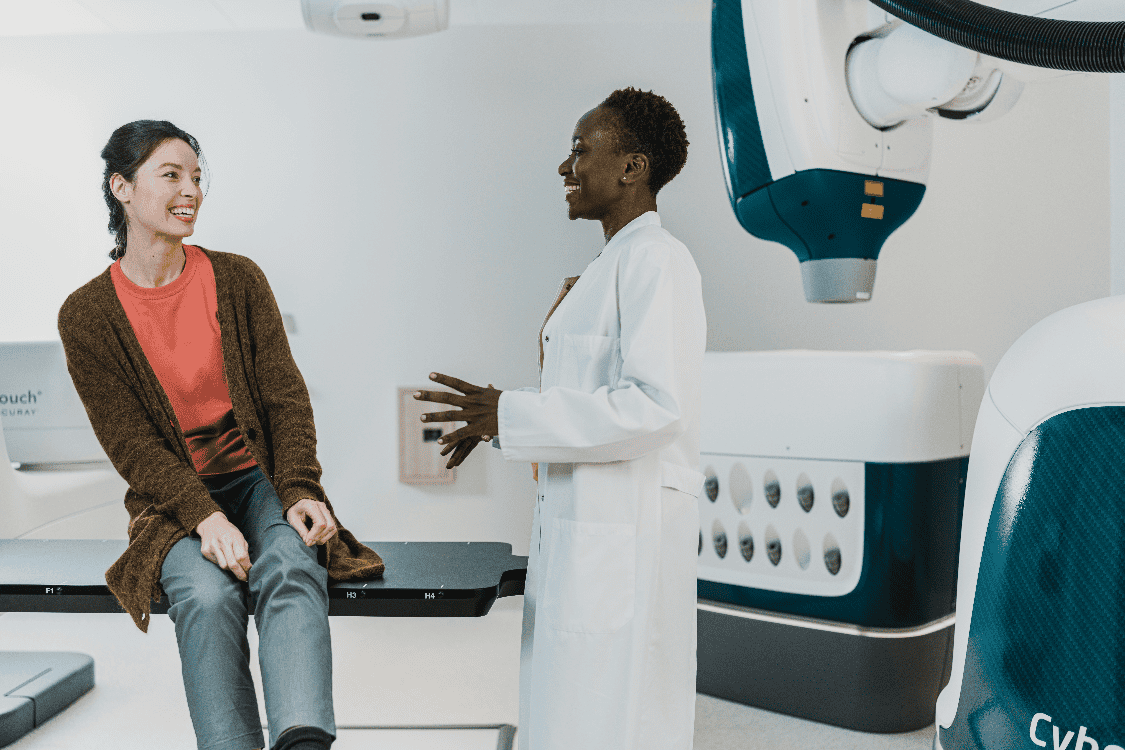
Intelligent referral systems help distribute patient load across a network of providers so no single clinician becomes a bottleneck while others sit idle with openings. By accounting for specialty mix, subspecialty skills, and appointment windows, the system helps balance demand in a way that respects both patient need and provider availability.
That distribution reduces long backlogs at popular clinics and fills pockets of capacity in a practical manner. In the long run, smarter matching keeps wait lists shorter and patient flow steadier across the whole health system.
Data Driven Decision Making
Referral decisions supported by AI bring relevant data to the front, such as prior outcomes, case complexity and historical turnaround times, which allows clinicians to make more informed choices. Visual summaries and ranked recommendations help human teams weigh options quickly and act with confidence, and the system can surface rare but important factors that a busy clinician might miss.
The transparency of why a suggestion is made matters, so good systems provide clear cues and provenance rather than black box answers. That mix of human judgment and data support fosters decisions that are grounded in prior experience without losing room for clinician nuance.
Patient Experience And Satisfaction
When referrals move faster and land with the right clinician, patients report less frustration and feel their care is taken seriously, which can boost trust in the whole process. Automated follow up reminders, clearer instructions and fewer misrouted requests make the pathway feel smoother for the person on the receiving end.
Small conveniences such as prefilled forms and automatic insurance checks cut down awkward phone calls and repeated explanations that wear people down. A kinder referral experience often leads to better engagement with treatment plans and higher adherence to recommended care.
Enhanced Communication Between Providers
AI systems can standardize the way referral information is packaged so specialists receive consistent, relevant context that speeds clinical triage and planning. Structured summaries, key data points and flagged concerns help receiving clinicians hit the ground running without sifting through pages of unrelated notes.
When the referring doctor and the specialist are on the same page, fewer clarifying conversations are needed and patient care begins sooner. Clearer handoffs reduce miscommunication mistakes that lead to duplicated tests and delayed decisions.
Continuous Learning And Quality Improvement
Because algorithms record outcomes and workflow metrics, the referral network can keep a running scorecard on what works and what does not, enabling continuous cycle improvement that mirrors clinical practice improvement.
Analytics can highlight patterns such as frequent re referrals, long wait time hotspots and specialties where outcomes diverge from expectation, creating targets for targeted change.
Clinicians can test tweaks to referral criteria and watch the system report back on real world effects, making iterative refinement practical and measurable. Over time those small course corrections accumulate into a stronger process that benefits patients and providers alike.