

01 May What Is a Jaw Crusher and How Does It Work? Find Out
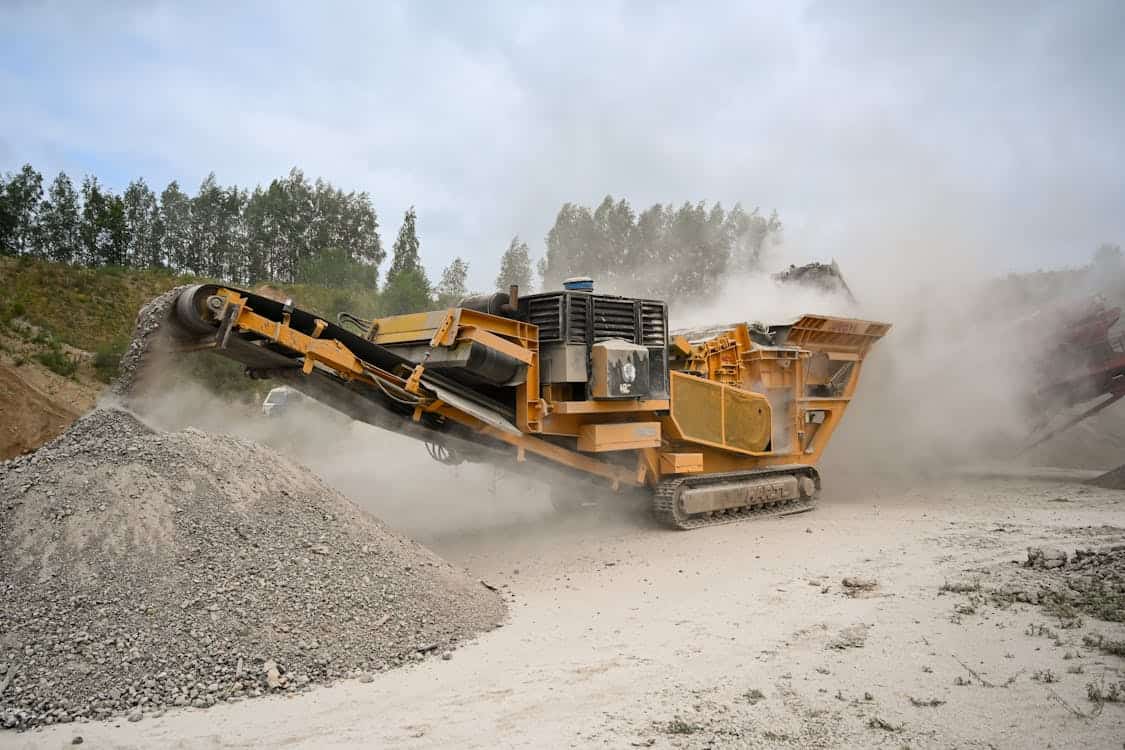
A jaw crusher is a rugged machine that reduces large rocks or ore into smaller pieces by applying compressive force to a material. It has been a staple of primary crushing for many operations where rock breakage and size reduction are needed.
Operators and engineers value its straightforward mechanics because the action is easy to visualize and the feed to product chain is relatively predictable.
What Is A Jaw Crusher
A jaw crusher is a machine that breaks raw material through the action of two plates or jaws that move relative to one another and squeeze the feed into smaller fragments. One jaw is fixed in place while the other moves back and forth toward the fixed jaw to create a crushing motion that reduces particle size down to a set discharge gap.
The word crusher and the stem crush appear repeatedly in operating notes and spare part lists because wear and replacement are part of the life cycle. Many plants rely on the jaw crusher for the first stage of breaking because the unit handles large lumps that would choke finer equipment downstream.
Main Components Of A Jaw Crusher
A typical jaw crusher is built from a heavy frame that supports the fixed jaw plate, the movable jaw plate, and an eccentric shaft that drives the motion. The flywheel stores energy to smooth out the load and the toggle plate transfers force while offering a mechanical safety link if an uncrushable object enters the chamber.
Wear parts include jaw plates and cheek plates that take the bulk of abrasion and are selected for alloy and hardness to suit the material being crushed. The discharge opening and adjustment mechanism set the size distribution of the crushed product and control the throughput rate.
How A Jaw Crusher Works Operating Principle
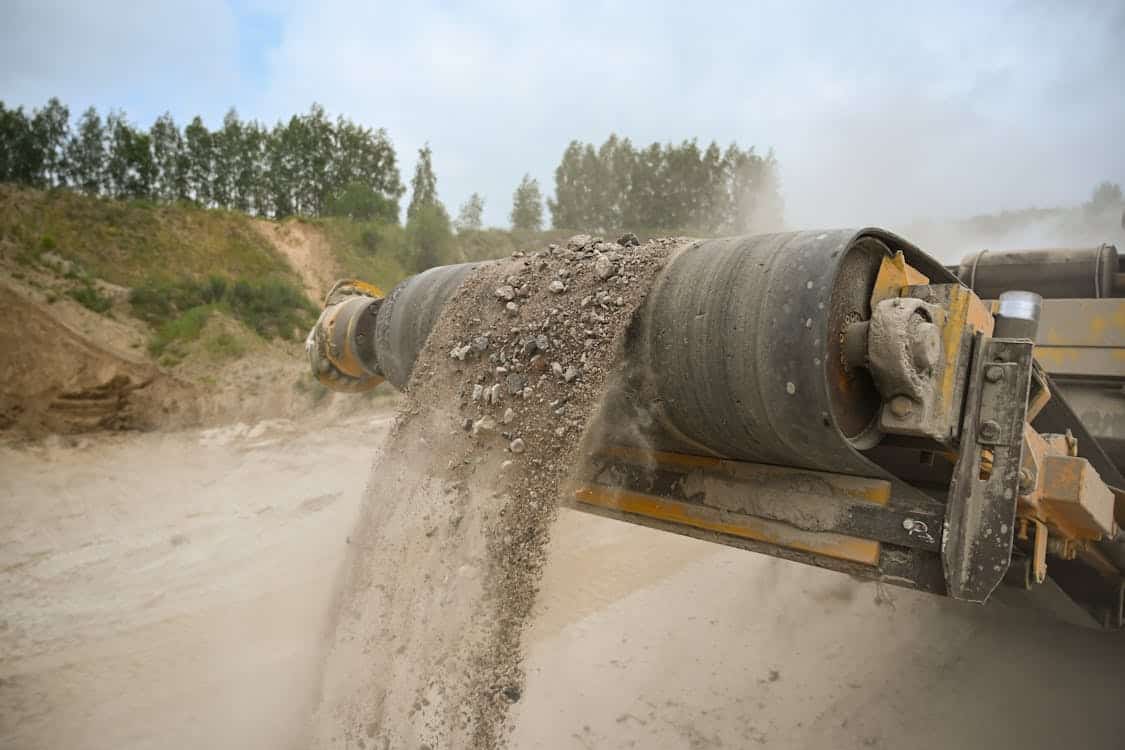
Material is loaded into the top of the crusher and falls into the crushing chamber where the movable jaw exerts force against the fixed jaw through an eccentric shaft rotation. Crushing takes place when the two jaws approach one another and compress the feed so that fractures develop and pieces drop toward the discharge opening at the bottom.
When the movable jaw moves away the crushed fragments escape and new feed drops into the chamber, creating a cyclical pattern of compression and release. Adjustments to stroke, speed, and gape influence the product shape, the rate of wear, and the throughput of the installation.
Types Of Jaw Crushers
There are several classical configurations of jaw crushers that come from decades of field practice and incremental design tweaks by manufacturers. The single toggle jaw crusher uses a simpler eccentric shaft and a direct line of motion while the double toggle version introduces a second toggle that changes the kinematic path and the crush angle.
Modern low speed, high torque variants shift emphasis to long life and material friendly handling, which can be a better match for sticky or weathered feeds. Each type has its own suite of trade offs around capital cost, part life, and how the machine handles coarse blocky rock.
Typical Applications And Industries
Jaw crushers serve as the first step in many processing chains across mining, quarrying, road building, recycling, and construction material production. They chew through large rocks that would otherwise damage downstream mills or screens and they are the bread and butter of primary crushing where robustness matters more than fine control.
In recycling yards a jaw crusher bites through concrete with rebar and dense composite materials, helping convert demolition scrap back into usable aggregate. Heavy duty installations process thousands of tons per day while mobile units follow active pits to reduce haul distance.
Material Selection And Jaw Plates
Choosing the right material for jaw plates and liners has a direct effect on how long the parts last and how the machine performs under load. Manganese steel is common because it work hardens under impact and offers good wear life for many rock types, while chrome alloys and other metallurgies are chosen for specific abrasion patterns.
Profile shape matters too so corrugated plates that grip the feed will fracture large blocks efficiently, but smooth faces are kinder to friable material that would smear rather than break. Rotation of plates, staged replacement and a spare set on the shelf are routine tactics used to keep a crusher running without long stoppages.
Maintenance And Common Issues
Routine inspection, correct lubrication, and periodic tightening of fasteners tackle many of the problems that stop a crusher in its tracks. Excessive vibration, irregular noise, and a rise in power draw often signal worn bearings, misaligned eccentric shafts, or uneven wear of jaw plates that have to be addressed before a cascade of failures appears.
Poor feeding habits and inconsistent block sizes can create choke points where material jams the chamber or wears one side faster than the other. A steady maintenance rhythm and simple checks at shift handover nip trouble in the bud and extend machine life.
Safety And Operational Tips
Safe operation starts with isolation of power when maintenance or adjustments are needed, clear signage around pinch points, and guards over moving parts so hands and clothing do not get pulled in. Operators should control feed to avoid overloading, use feed hoppers or grizzlies to remove fines or tramp metal, and follow a protocol for handling any uncrushable items that appear.
Training that covers routine checks, emergency stops, and how to spot early signs of wear will cut incidents and keep throughput stable. Good housekeeping around the unit, matched with sensible protective gear, helps keep the job site calm and under control.