

08 Aug Is It Worth Renovating an Old Pool? Find Out the Truth
Pools can add charm and enjoyment to any yard, but when they age, they can also become an eyesore or a headache. Renovating an old pool is a decision that can spark plenty of excitement—or dread.
Whether it’s a question of aesthetics, safety, or functionality, weighing the pros and cons is essential.
The State of Your Pool
Before diving headfirst into a renovation project, assess the condition of your pool. Cracks, leaks, or discoloration are red flags that can indicate deeper issues.
Performing a thorough inspection can help identify what must be addressed. If the structure is sound, you might only need cosmetic updates, which can be more affordable and less time-consuming.
Consider the age of your pool. Older pools may require more extensive work to meet current safety standards.
If your pool was built several decades ago, it’s smart to check if it complies with modern regulations. Understanding the framework of your pool allows for a clearer picture of the renovation needs.
Budgeting for the Renovation
Renovations can be pricey, so a well-planned budget is essential. Factor in costs for materials, labor, and any unexpected expenses that might crop up.
It’s easy to get swept away by the vision of a stunning new pool, but keeping your spending in check will ensure that the project remains feasible.
Start with a rough estimate of costs. Research different materials and styles to find what fits your budget.
Pool renovations can range from simple to elaborate, and understanding the financial commitment can help you make informed decisions. Being realistic now will save headaches in the long run.
Enhancing Aesthetics
An older pool might lack curb appeal, especially if it’s cracked and faded. Renovating opens the door to a variety of aesthetic upgrades. New tiles, a fresh coat of paint, or even a complete redesign can breathe life into a tired-looking pool.
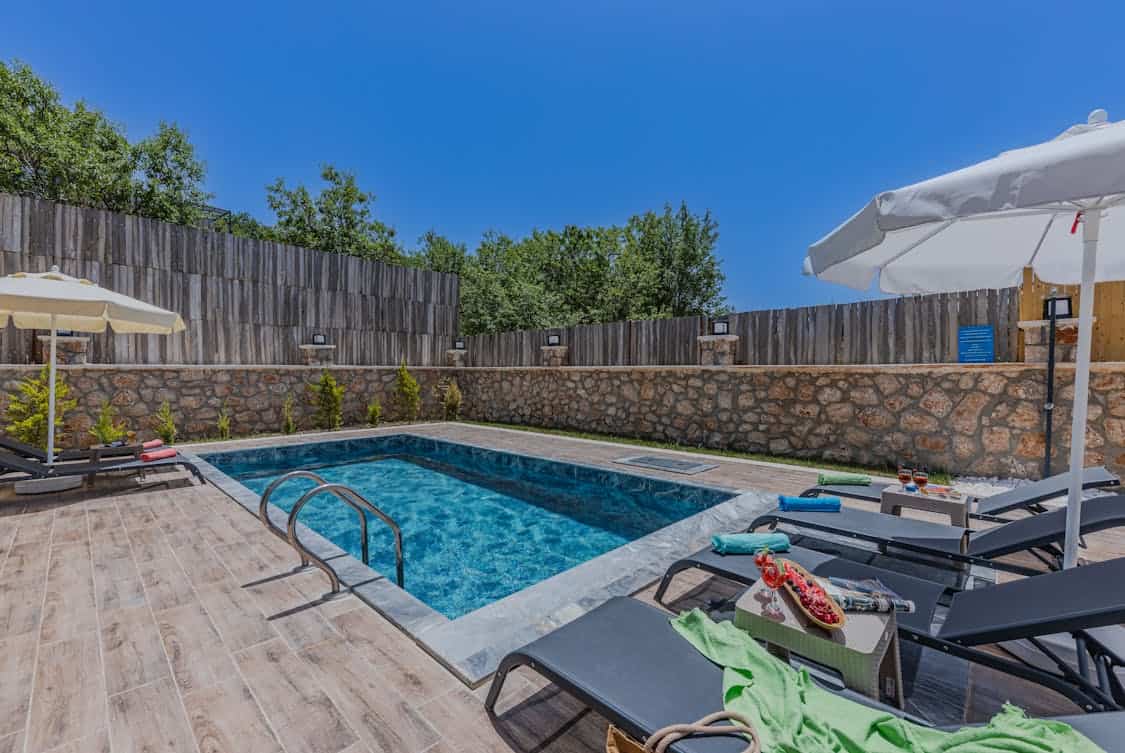
For example, restoring and renewing pool surfaces can instantly transform a worn-out structure into a sparkling centerpiece for your backyard. It’s an opportunity to create a space that reflects your style and enhances outdoor living.
Landscaping around the pool area can also make a big difference. Adding plants, lighting, or new decking can create a welcoming oasis in your backyard. An aesthetically pleasing pool area can significantly increase your home’s value and attractiveness to potential buyers.
Upgrading Features

When considering renovations, think about the features you’d like to add. Modern pools often come with a range of amenities, from LED lighting to built-in hot tubs.
Incorporating these elements can enhance the overall experience and usability of your pool. If you often host social gatherings, features like a swim-up bar or a water slide might be a hit.
Incorporating energy-efficient equipment is another consideration. New pool pumps, heaters, and filtration systems can save money on utility bills and reduce your carbon footprint. Investing in modern technology can make your pool more functional and eco-friendly.
Safety First
Safety should always be a priority when it comes to any pool. Older pools may lack essential safety features such as proper fencing or alarms. Renovating offers the chance to implement these crucial elements, ensuring that both children and pets remain safe around the water.
Evaluate your local regulations on pool safety. Many areas have specific requirements that you may not be aware of. Incorporating safety features during the renovation can save you from potentially costly modifications down the line.
The Environmental Angle
Considering environmental impact is essential in today’s world. Renovating an old pool can be a chance to make it more sustainable.
Eco-friendly options like solar pool heaters or energy-efficient pumps can significantly reduce energy usage. You might also consider using sustainable materials for any new finishes.
A well-designed pool can also support local ecosystems. Adding features like natural filtration systems or native plant landscaping can create a harmonious environment that benefits wildlife. Making these choices not only enhances your pool but can also contribute positively to the broader ecosystem.
DIY vs. Hiring Professionals
Deciding whether to tackle renovations yourself or hire professionals can be a tough call. If you’re handy and experienced, there may be aspects of the renovation you can manage on your own. However, significant structural changes or plumbing work often require expert skills.
Weigh the pros and cons of both approaches. DIY work can be cost-effective, but it comes with risks.
On the other hand, hiring professionals ensures quality and safety, but it can quickly escalate costs. Knowing your strengths and limitations can help you make an informed choice.
Timing Your Renovation
Timing plays a significant role in the success of your renovation. If you’re in an area where winters are harsh, planning your project for spring or summer can be ideal. Additionally, local contractors may have busy and slow seasons, affecting pricing and availability.
Keep in mind that renovations can take time. From planning to execution, it’s essential to have a realistic timeline. Understanding when to start and how long it will take can help you avoid unnecessary delays.
Potential Return on Investment
A renovated pool can increase your home’s resale value, but the return on investment can vary. If your neighborhood has a strong demand for pools, your renovation might pay off well. Conversely, in areas where pools are less desirable, you might not see a substantial increase.
Research local real estate trends to gauge potential ROI. Talk to real estate agents who know your area well; their insights can be invaluable. Understanding market dynamics will help you assess whether the investment will be worth it in the long run.
Maintenance Considerations
After renovation, ongoing maintenance is key to keeping your pool looking its best. New features or finishes may require specific care, and ignoring these guidelines can lead to costly repairs in the future. Regular maintenance not only ensures longevity but also keeps the pool safe and enjoyable.
Consider scheduling seasonal maintenance checks. This proactive approach can catch potential issues early, saving money and stress down the line. Establishing a routine can make pool ownership feel more manageable and enjoyable.