

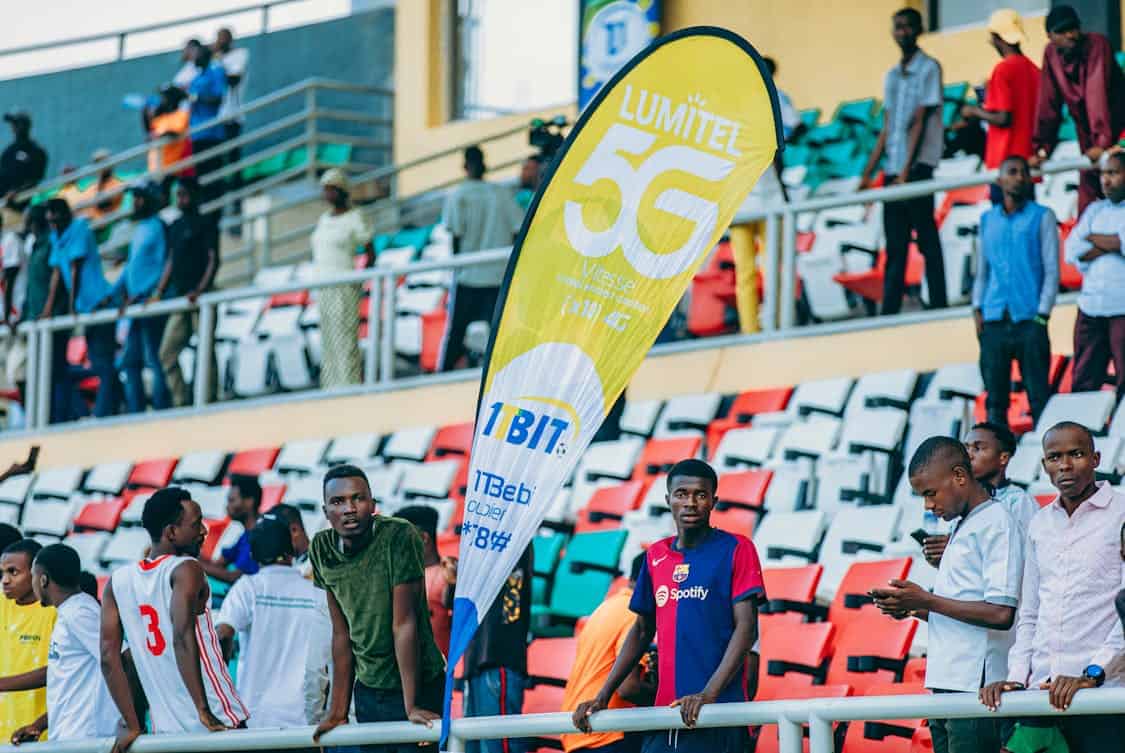
06 Nov The Rising Popularity of Feather Flags for Local Promotions
Lately, small businesses, market vendors, and event organizers have been turning to feather flags to drive local awareness. These narrow, tall banners move with breeze and passersby, which helps short messages land where footers are already looking.
The format blends low setup fuss with high visibility, so teams with tight budgets can still get noticed. Many report quick wins in awareness and walk-up interest after a few days of flag deployment.
Why Feather Flags Catch Attention
Feather flags present text and logos at eye level while offering motion that draws quick glances from people on the move. Their thin silhouette competes well against static signs and on-site clutter, giving a sense of movement that naturally pulls sightlines.
When a flag flaps gently it creates micro-moments of notice, and frequent repetition of short words and brand names helps memory stick. In practice the flags act like small beacons along curbs or at entry points, nudging browsers toward an outlet or booth.
Cost-Effective Local Advertising
For many community-scale efforts, cost per impression matters more than slick production values, and feather flags tick that box nicely. A single printed flag plus stand and pole can run circles around recurring costs of paid media when it comes to a localized run over a weekend.
Budget-conscious planners can swap messages, reuse hardware, and place a few flags to cover multiple sightlines without breaking the bank. That level of flexibility makes promotional runs feel low risk and high return when measured by new visitors and short-term lift.
If you’re managing a residential lease-up or looking to boost visibility for a housing community, apartment feather flags are an eye-catching and affordable way to attract prospective tenants right from the street.
Design Flexibility And Brand Visibility
Flags accept bold typography, simple logos, and short calls to action with few fusses, which plays to human attention spans on the street. Designers tend to favor high-contrast color blocks, large sans-serif fonts, and a single strong verb to push action, creating neat n-gram clusters that repeat brand terms.
The vertical layout flips typical reading habits, so brand names or key phrases appear as anchors that viewers can process in one glance. This lean approach to creative reduces clutter while boosting recognition across multiple placements.
Easy Setup And Mobility

A notable perk of feather flags lies in their ease of use; a single person can unbox, assemble, and plant a flag in minutes with little training. Portable spikes and weighted bases mean teams can switch locations between morning and evening shifts, chasing the best pedestrian flows.
That quick set-and-go routine saves time and staff cost, letting organizers adapt placement on the fly during market weekends or sidewalk sales. The nimble nature of the system complements short campaigns where timing and visibility matter most.
Durability And Weather Considerations
Manufacturers offer different fabric weights and pole materials so buyers can pick a balance between life span and cost, and test flags under local climate loads before committing. Lighter fabrics billow and catch attention on mild days, while heavier knits resist fraying during strong gusts, giving a longer service life when set correctly.
Poles built from fiberglass or reinforced aluminum bend rather than break, which reduces replacement costs and downtime for active sites. Proper anchoring and routine checks keep the message upright and readable through a campaign period.
Placement Strategies For High Foot Traffic
Deployment works best when flags create a visual trail that guides people toward a point of interest, whether that is a pop-up stall or a brick-and-mortar door. Using staggered spacing, repeated phrasing, and alternating orientations can craft a rhythm that pedestrians register without conscious effort.
Flags placed near curb cuts, bus stops, or plaza entries tend to snag attention as people pause or scan the area for next steps. Small tests across a few configurations reveal which combinations yield the strongest pull, and those learnings can be reused across nearby sites.
Measuring Impact And Return
Simple metrics often paint a reliable picture: count walk-ins during flag hours, track coupon redemptions printed on the banner, or run brief intercept surveys asking about visibility. Digital teams can pair flags with short URLs or QR codes to gather clicks and trace action back to specific placements, creating basic n-grams of behavior that map message to outcome.
Recording before-and-after foot counts for short bursts gives an immediate signal of lift that can guide future spends. This practical data equips local promoters with a repeatable playbook for small-scale campaigns.
Trends And Future Usage
Community promoters are exploring combinations of flags with other on-site cues, mixing banners with pavement decals, window signs, or pop-up tents to form layered messaging that nudges behavior. Sponsors for events and seasonal sales often rotate messages across the same hardware, testing which short slogans or offers prompt the best response.
As more operators test quick-turn campaigns and swap creative between dates, a pattern of best practices emerges that favors clarity, brevity, and omnipresence at key approaches. The result is a steady rise in the use of feather flags as a pragmatic tool for local promotion.